
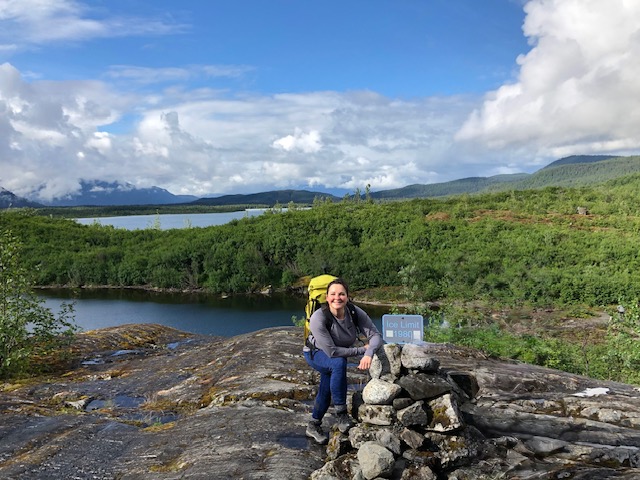
One of my all-time favourite hobbies is hiking. I live in Hamilton, Ontario, and have hiked in many different parts of Canada, as well as Europe and the United States.
In Canada, I’ve hiked the Bruce Trail, Cabot Trail, and parts of Banff. Internationally, I’ve hiked in Italy, the Czech Republic, Slovenia, Croatia, Montenegro, Alaska, and Arizona. One of my coolest experiences was walking along the Iditarod Trail, a 1,500km trail used for dog sled races. I’ve also experienced the Grand Canyon and Antelope Canyon.
Hiking long distances can be a thrilling adventure, but it can also be tiring, especially if you haven’t done it before. As someone who is a bit more advanced in the sport, I want to share some of my tips for conquering long hikes.
Getting the Right Gear
First things first: to survive a long hike, you need the right gear. This includes sturdy footwear, weatherproof clothing, and a good-quality backpack. Your comfort and safety should come first, and the last thing you want to do is risk being unprepared if the weather or terrain changes.
A sturdy backpack will help you carry your essentials, but you don’t want to overstuff it. Keeping snacks, water, extra clothes, a blanket or towel, and a small first aid kit in your backpack will do just fine.
Researching Your Route Ahead of Time
Researching your route beforehand is always a good idea. How long is the trail? How much elevation is involved? What is the terrain like? Where are the entrances and exits? This way, you can get an idea of what to expect when you arrive, and there won’t be as many surprises that throw you off during your walk.
Fuel Your Body With Snacks & Hydration
It’s hard to focus on getting through a long hike when you’re hungry. Eating a big meal before a hike, however, isn’t always the best idea because it can make you feel sluggish. Having a light meal beforehand or keeping protein-packed snacks in your bag is highly encouraged. Staying hydrated is also important because we lose water through sweating. It is advisable to fill up a reusable water bottle (at least one litre) before your hike.
Going at Your Own Pace
One of the biggest mistakes beginners make is starting too fast. A steady pace helps you conserve energy and avoid burnout early in the hike. Try to find a rhythm that feels natural and comfortable for your body. You should be able to hold a conversation without feeling out of breath. Pay attention to your breathing and how your legs feel as you move. If something starts to feel off, slow down rather than pushing through it. Long hikes are about endurance, not speed. Staying consistent will get you much farther than rushing at the start.
I also like to use landmarks as pacing guides. Reaching a lookout point or a shaded rest area gives you something to work toward without feeling overwhelmed. This helps you stay motivated and enjoy the experience without constantly thinking about how far you have left to go.
Wrapping It All Together
Long hikes can challenge you both physically and mentally, but they are also some of the most rewarding experiences you can have outdoors. Staying motivated comes down to preparation, pacing, and listening to your body along the way. Every trail brings something new, whether it’s a great view, a quiet moment, or a sense of accomplishment at the end. When you approach each hike with the right mindset and realistic expectations, the path becomes just as meaningful as the destination.
– – – –
Connect / Follow:
Read Next:
What Animals Teach Us: Life Lessons Learned from Our Furriest Friends
Why Golden Retrievers Are the Best Breed for First-Time Dog Owners