
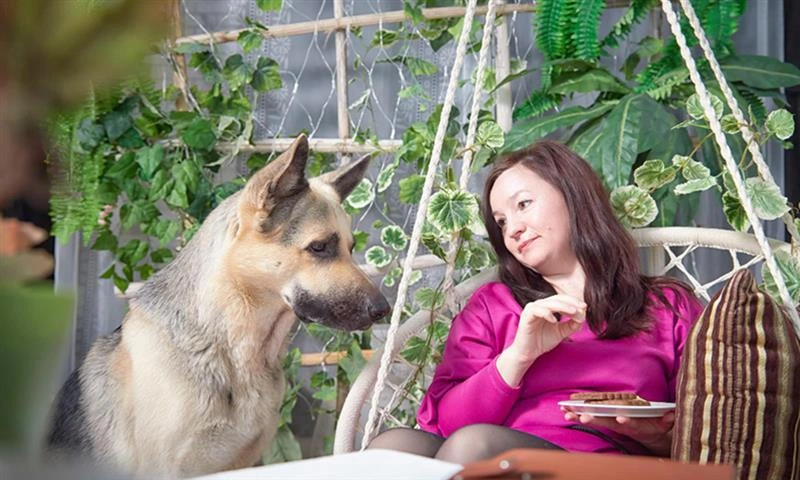
Anyone who spends time around animals quickly learns that they don’t respond to titles, small talk, or appearances. They react to energy, tone, and patterns. That’s why I love being around them. Whether it’s caring for a dog at home or the focus required when working with horses, the relationship is built on clarity and consistency. Trust doesn’t happen immediately, and it can’t be faked.
Horseback riding needs full attention. You must be aware of your posture, the terrain, your signals, and the horse’s behaviour. Multitasking isn’t an option. If your thoughts drift or your body language sends mixed messages, the horse will react. They don’t interpret what you meant to do. They only respond to what you actually did. The feedback is immediate and honest.
But with time, you start to recognize the smaller movements: a horse’s ear position, a nuance in stride, the way a horse responds to pressure. Paying attention becomes second nature. Riding becomes a mutual exchange in which the objective is working together, not command and response. The process sharpens your patience and teaches you to constantly adjust to how your actions weigh with the outcome.
At home, the relationship with pets follows a similar rhythm. Dogs are not interested in your schedule or stress level. They rely on routine. When they’re fed on time, walked regularly, and given attention, they feel secure. When that structure breaks down, they let you know. Pets have schedules, which bring routine and order to our lives when not much else feels stable.
Having animals as part of your family and your life adds responsibility, but also clarity. You’ve got to be there and take care of them, no matter how busy or tired you are. That sense of duty is grounding as a person. The routine can simplify your day by forcing you to focus on what needs to be done in the moment.
Not every day is perfect. Sometimes a horse won’t respond. A dog will bark relentlessly or destroy something in the house. These moments are frustrating, but they generally pass quickly. You learn to follow through, be consistent, keep your composure, and move on. There’s no benefit in dwelling on small setbacks.
We often see animal ownership idealized in various ways, particularly online. People share the highlights of well-behaved dogs, quiet trail rides, and perfect moments, but not the repetition and patience required to get there. Most of the progress happens slowly. Results come from practice and consistency as you build trust with an animal.
Communication with animals doesn’t depend on words, although they do learn words. They mostly respond to your tone, pace, posture, and energy. You learn to manage how you carry yourself, because animals will reflect whatever energy you bring to the interaction. That kind of awareness doesn’t stay in the barn or the house. It carries into conversations, meetings, and other relationships.
Time with animals doesn’t feel like an escape. I look at it as more of a shift in focus. When you’re walking the dog or riding a horse, attention naturally moves toward the present. That shift can help clear your head without needing to step away from life entirely. You come back with a more focused perspective.
Lessons from animals tend to be simple. Show up consistently. Pay attention to small details. Stay cool under pressure. Don’t rush the process, which strengthens patience. These patterns help whether you’re working with a pet, leading a project, or navigating daily routines. They make things run smoothly and help you keep your balance when things become hectic. Not to mention they are great companions that you can count on.